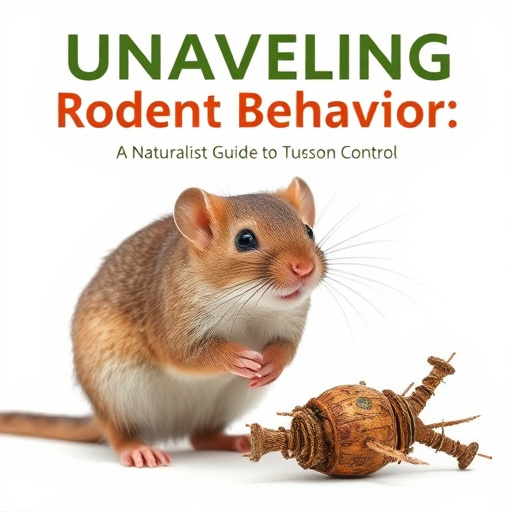
Rodent control Tucson naturally requires a habitat-focused approach tailored to seasonal needs. Key insights include understanding rodent preferences (e.g., open areas for deer mice, dense vegetation for pocket gophers), leveraging seasonal activity fluctuations, implementing naturalistic methods like proper vegetation management, organic repellents, and predator habitat promotion, and collaborating with local wildlife agencies for data-driven adjustments. This approach prioritizes coexistence while addressing human needs.
Catalina Foothills, a vibrant ecosystem teeming with diverse wildlife, faces challenges from invasive rodent populations. Understanding their behavior and habitat preferences is crucial for effective rodent control Tucson naturally relies upon. These rodents not only disrupt the delicate balance of the region’s biodiversity but also pose risks to infrastructure and human health. This article delves into the intricate world of rodent behavior, exploring factors that influence their distribution and offering insights into sustainable management strategies tailored to the unique context of Catalina Foothills. By unraveling these complexities, we aim to empower residents and conservationists alike with knowledge for successful rodent control efforts, preserving both natural harmony and community well-being.
- Unraveling Rodent Behavior: A Naturalist's Guide to Catalina Foothills
- Habitat Preferences and Rodent Control: Tucson's Natural Approach
Unraveling Rodent Behavior: A Naturalist's Guide to Catalina Foothills

The Catalina Foothills, a vibrant ecological hotspot in Tucson, Arizona, play host to a diverse range of rodent species, each with distinct behaviors and habitat preferences. Understanding these nuances is paramount for both ecologists and residents looking to implement effective rodent control Tucson naturally. Through meticulous observation and research, naturalists have begun to unravel the intricate web of rodent behavior, offering valuable insights into their interactions with the local environment.
Rodents, known for their adaptability, exhibit a remarkable capacity to thrive in various microhabitats within the Foothills. For instance, the desert deer mouse (Peromyscus maniculatus) prefers open, grassy areas adjacent to rocky outcrops, leveraging these structures for shelter and escape from predators. In contrast, the Arizona pocket gopher (Geomyus wenderi) is more at home in deep burrows within dense, vegetative patches, creating intricate labyrinths beneath the surface. These habitat preferences inform targeted yet natural approaches to rodent control, such as maintaining open spaces with diverse vegetation to deter deer mice and ensuring proper soil management to minimize pocket gopher burrowing.
Naturalist studies also reveal seasonal variations in rodent behavior that can guide year-round management strategies. During spring and summer, when food resources are abundant, rodents tend to be more active and proliferate rapidly. This period necessitates proactive measures like removing potential food sources from outdoor areas. Conversely, fall and winter see a decrease in activity, offering an opportunity for natural predators like birds of prey and snakes to control populations. Implementing rodent control Tucson naturally should thus adapt to these seasonal changes, utilizing organic repellents and promoting predator habitats during active seasons while focusing on habitat manipulation to encourage natural predation during quieter periods.
Habitat Preferences and Rodent Control: Tucson's Natural Approach

In the Catalina Foothills surrounding Tucson, Arizona, understanding rodent behavior and habitat preferences is paramount for effective rodent control. These mountainous regions offer diverse microclimates and habitats, from arid deserts to lush canyons, each attracting different species with varying needs. Rodents, such as the commonly observed deer mice and canyon rats, thrive in these environments due to abundant food sources and shelter options. For instance, the dense vegetation and rocky crevices of the foothills provide ideal hiding places for rodents, making traditional trapping or poisoning methods less than optimal and potentially harmful to non-target species.
Tucson’s natural approach to rodent control emphasizes coexistence and habitat manipulation rather than eradication. This strategy leverages the understanding of rodent behavior and preferences to create an environment that discourages their presence while minimizing ecological disruption. For example, the removal of excessive vegetation near homes and structures reduces hiding places and food sources, making areas less attractive to rodents. Additionally, using natural repellents like peppermint oil or specific plant species known to deter rodents can be highly effective without posing risks to pets or local ecosystems. Implementing these tactics requires a nuanced understanding of rodent behavior and the specific challenges posed by Tucson’s unique landscape.
The success of natural rodent control in Tucson relies on proactive measures and continuous monitoring. Homeowners and property managers should regularly inspect their properties, addressing potential entry points and maintaining clean environments. Seasonal changes necessitate adjustments in control strategies; for instance, fall and winter months may require more robust measures due to rodents seeking shelter from colder temperatures. Data collected by local wildlife agencies can provide valuable insights into rodent population dynamics, helping residents tailor their control efforts accordingly. By embracing Tucson’s natural approach, it is possible to achieve a harmonious balance between human needs and the preservation of the region’s diverse wildlife.
Understanding rodent behavior and habitat preferences in Catalina Foothills is crucial for effective rodent control Tucson naturally. By unraveling the intricate patterns of rodent activity and their habitat choices, we gain valuable insights into managing these populations sustainably. The article highlights that Tucson’s natural approach to rodent control focuses on leveraging ecological principles rather than chemical interventions. Key takeaways include recognizing seasonal variations in behavior, identifying specific habitat preferences, and utilizing environmentally friendly deterrents. These strategies not only mitigate rodent damage but also preserve the delicate balance of local ecosystems. Practical next steps involve implementing habitat modifications, choosing organic repellents, and monitoring activities to ensure long-term success in rodent control Tucson naturally. This authoritative guide empowers readers with actionable knowledge, fostering a responsible and eco-conscious approach to managing rodents in their natural habitats.