The Catalina Foothills near Tucson, Arizona, host a diverse rodent population with unique behaviors adapted to varied habitats and climates. Effective rodent control Tucson naturally involves understanding these behaviors: nocturnal routines, habitat preferences, feeding habits, and adaptability. Key strategies include habitat modification (reducing shelter opportunities), introducing natural predators, using humane trapping techniques, minimizing artificial lighting, and promoting ecological balance while mitigating property damage. Human activities fragmenting ecosystems necessitate nuanced approaches tailored to species-specific needs. Regular inspections and proactive measures are crucial for successful long-term management.
Rodent populations in the Catalina Foothills ecosystem pose significant challenges to local environments and communities, underscoring the pressing need for effective rodent control Tucson naturally embraces. Understanding these creatures’ behavior and habitat preferences is crucial for devising sustainable management strategies. This article delves into the intricate dynamics of rodent ecology within the Foothills, exploring their habitat selection, feeding habits, and seasonal behaviors. By deciphering these patterns, we can implement targeted, eco-friendly control measures that balance the delicate equilibrium of this unique natural landscape, ensuring both environmental conservation and community protection.
- Rodent Species in Catalina Foothills: An Overview
- Behavioral Patterns: Nocturnal Habits and More
- Habitat Preferences: Natural Environment Analysis
- Tucson's Ecosystem: A Rodent Haven or Barrier?
- Understanding Human-Rodent Interactions in the Area
- Natural Rodent Control Methods for Tucson Residents
Rodent Species in Catalina Foothills: An Overview

The Catalina Foothills, a scenic region surrounding Tucson, Arizona, is home to a diverse array of rodent species, each with unique behaviors and habitat preferences. These rodents play a significant role in the local ecosystem, contributing to seed dispersal, soil aeration, and serving as prey for various predators. Understanding their habits is crucial for both ecological balance and effective rodent control Tucson naturally.
One prominent species is the desert woodrat (Neotoma spp.), commonly found in the rocky outcrops and canyons of the Foothills. These rodents are well-adapted to arid environments, storing food in mesic (moist) microhabitats like rock crevices during dry periods. Their nesting habits involve constructing elaborate networks of burrows, which can pose challenges for property owners due to potential fire hazard concerns. Another notable species is the California mouse (Peromyscus californicus), prevalent in urban and suburban areas, where they exploit human-made structures for shelter. These mice are known for their rapid reproduction rates, making them a common household pest and requiring careful consideration for rodent control methods.
Data from local studies reveals that the diversity of rodent species peaks during spring and early summer when food resources are abundant. However, year-round management strategies are essential, as some species, like the desert kangaroo rat (Dipodomys spp.), remain active throughout all seasons. For effective and natural rodent control Tucson environments dictate, tailored approaches are needed. This includes habitat modification to reduce attraction, such as removing brush piles and ensuring proper food storage, and the introduction of natural predators like owls and hawks where safe and permitted. Understanding these species’ behaviors allows for the implementation of sustainable practices that maintain ecological balance while mitigating human-rodent conflicts.
Behavioral Patterns: Nocturnal Habits and More

Rodents in the Catalina Foothills exhibit distinct behavioral patterns shaped by their nocturnal nature and adaptive instincts. These creatures are primarily active during the night, leveraging the cover of darkness to forage for food, establish territories, and communicate with peers. Their nocturnal habits align with the region’s cooler temperatures and reduced predation risk, making the nights ideal for their activities. In the vast landscape of Catalina Foothills, home to diverse ecosystems, rodents have learned to utilize various habitats, from dense desert shrublands to open grasslands, each offering unique resources and shelter.
The behavioral flexibility of these rodents is evident in their feeding habits. Many species are opportunistic omnivores, consuming a variety of foods including seeds, nuts, fruits, insects, and even small vertebrates. This adaptability allows them to thrive in various environments and contributes to their successful population dynamics. For instance, the common desert woodrat, often observed in the Foothills, builds intricate nests within cacti or rock crevices, providing protection from predators and extreme weather. Their nocturnal activities are crucial for evading diurnal predators and competing with other species for resources, demonstrating a sophisticated understanding of their habitat.
Effective rodent control Tucson naturally requires an appreciation of these behavioral patterns. Implementing strategies that disrupt their night-time routines can be key to managing populations. For example, minimizing artificial lighting in affected areas can reduce the attractiveness of open spaces, encouraging rodents to seek shelter in natural habitats or more remote locations. Understanding and respecting the natural behaviors of these animals is essential for humane and successful rodent control measures, ensuring ecological balance in the Catalina Foothills environment.
Habitat Preferences: Natural Environment Analysis
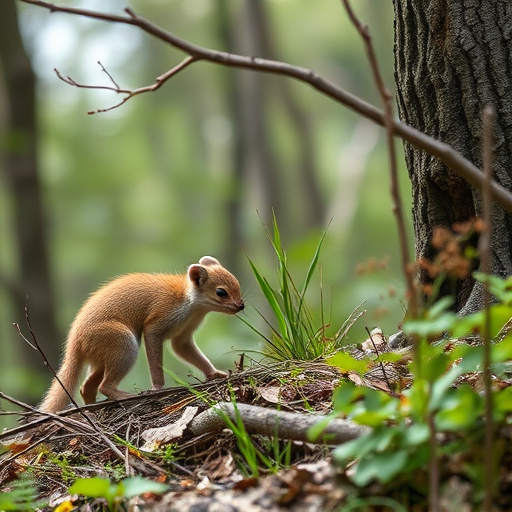
The Catalina Foothills, with its diverse ecosystems and unique geological features, presents a complex landscape for understanding rodent behavior and habitat preferences. Natural environment analysis reveals that rodents, such as the widely distributed deer mouse (Peromyscus manicatus) and the elusive desert woodrat (Neotoma species), are highly adapted to this specific region. These small mammals exhibit a strong affinity for areas characterized by dense vegetation, including canyons, riparian zones, and mesquite thickets. The presence of abundant cover and food sources within these habitats makes them ideal for rodent shelter and sustenance. For instance, the desert woodrat prefers scrublands and forest edges, where they construct intricate nest structures using nearby vegetation.
The analysis also highlights the impact of human activities on rodent habitat preferences in Tucson. Urban expansion and development have fragmented natural landscapes, forcing rodents to adapt to new environments. In areas like the Catalina Foothills, where human settlements are adjacent to pristine wilderness, rodents often utilize man-made structures as alternative habitats. This behavior presents challenges for local residents, especially regarding rodent control in Tucson naturally. For example, attics and crawl spaces in homes located near brushy landscapes can become favorable refuges for deer mice, leading to potential property damage and health risks associated with their droppings.
To effectively manage rodent populations while preserving the ecological balance, a nuanced approach is essential. Understanding the specific habitat preferences of various rodents allows for targeted control strategies. Natural methods such as habitat modification—removing dense brush in strategic areas while maintaining adequate vegetation—can deter rodents from seeking shelter in residential areas. Additionally, promoting natural predators like owls and hawks through conservation efforts can help regulate rodent populations. By combining these ecological approaches with traditional yet humane trapping techniques, Tucson residents can achieve effective rodent control while preserving the region’s unique natural tapestry.
Tucson's Ecosystem: A Rodent Haven or Barrier?
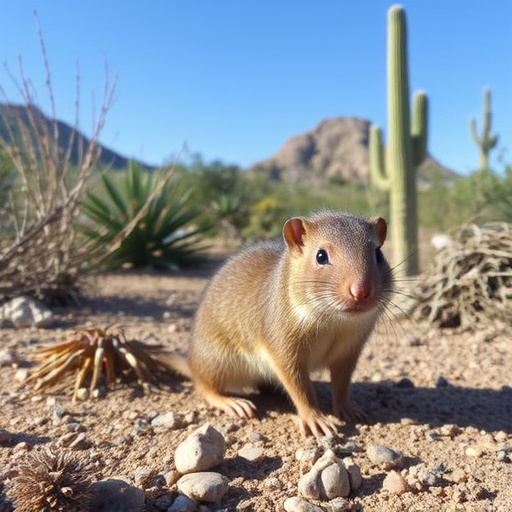
The diverse ecosystems of Tucson, particularly the Catalina Foothills, play a pivotal role in shaping the behavior and habitat preferences of local rodent populations. This region, characterized by its unique blend of desert landscapes and scrublands, presents both opportunities and challenges for these small mammals. Rodents, known for their adaptability, have evolved to thrive in this environment, showcasing remarkable behaviors that align with the available resources. Understanding their interactions with the Tucson ecosystem is crucial for implementing effective rodent control strategies naturally.
Tucson’s climate, with its mild winters and hot summers, provides a favorable habitat for various rodent species year-round. The Catalina Mountains, adjacent to the city, offer a complex network of habitats, from dense forests to open grasslands, catering to different rodent types. For instance, the California Ground Squirrel (Spermophilus beattii) prefers the open scrublands and grasses, while the Desert Woodrat (Neotoma lemmoni) is more at home in the pinyon pine and juniper forests higher up the slopes. This ecological diversity presents both a haven and a barrier for rodent control efforts.
Natural rodent control in Tucson requires a nuanced approach that respects the ecosystem’s dynamics. Implementing habitat manipulation techniques, such as reducing shelter opportunities and limiting food sources, can be effective. For example, controlling vegetation growth in open areas might deter species like the Kangaroo Rat (Dipodomys spp.) from establishing dens. Additionally, using predator introductions or augmenting natural predators’ populations could help regulate rodent numbers. However, it is essential to monitor these interventions closely to avoid unintended ecological impacts and ensure the preservation of Tucson’s unique biodiversity.
Understanding Human-Rodent Interactions in the Area

In the diverse ecosystems of Catalina Foothills, human activities significantly influence rodent behavior and habitat preferences, creating complex interactions that require careful consideration. Rodents, such as the Arizona ground squirrel and the desert woodrat, have adapted to urban environments, including Tucson’s unique landscape. Understanding their behaviors is crucial for effective rodent control Tucson naturally. These animals are highly attuned to food availability, shelter, and human presence, often using human-created structures for nesting and denning. For instance, the Arizona ground squirrel prefers open spaces with abundant vegetation and proximity to water sources, which aligns with Tucson’s semi-arid climate.
Human-rodent interactions in Catalina Foothills can be harmonious, but conflicts arise when rodents encroach on residential areas or agricultural lands. Homeowners and land managers must employ strategic rodent control methods that respect the natural environment. One effective approach is to minimize food sources by securing trash cans and storing potential attractants off the ground. Natural deterrents like predator urine or specific plant extracts can also be used, promoting a balance between human comfort and ecological preservation. Moreover, understanding seasonal behaviors is key; rodents are more active during certain times of the year, necessitating proactive measures for rodent control Tucson naturally.
Data from local studies shows that integrated pest management (IPM) strategies, combining biological, cultural, and chemical methods, can significantly reduce rodent populations with minimal environmental impact. Expert recommendations include habitat modification to deter rodents from seeking shelter in human structures, as well as the strategic use of traps or repellents specifically designed for each species. By adopting these practices, residents can mitigate conflicts while fostering a healthier coexistence between humans and native rodents in the Catalina Foothills ecosystem.
Natural Rodent Control Methods for Tucson Residents

Rodent control in the Catalina Foothills region surrounding Tucson presents a unique challenge due to the intricate balance between urban development and natural habitats. Understanding local rodent behavior and habitat preferences is essential for effective, sustainable, and natural rodent control methods. The most common rodents in this area include the desert woodrat, cactus mouse, and the Pacific rat, each with distinct behaviors that influence their distribution and abundance.
Natural rodent control in Tucson involves a multi-faceted approach that leverages ecological principles and non-toxic strategies. One key method is habitat modification, where residents can reduce potential food sources and shelter by keeping outdoor spaces clean and clutter-free. For instance, securing garbage cans with tight-fitting lids, removing fallen fruits and nuts from trees, and trimming vegetation to expose potential nesting areas can significantly deter rodents. Additionally, using natural repellents like peppermint oil or capsaicin, derived from chili peppers, can be effective in displacing rodents without causing harm.
Another powerful tool is the introduction of natural predators. Cats, owls, and certain snake species are known predators of rodents, and their presence can help regulate rodent populations naturally. Encouraging these predators in your area, either through responsible pet ownership or strategic placement of nesting boxes for owls, can contribute to a balanced ecosystem where rodents are kept at manageable levels. Data from local wildlife organizations shows that areas with active predator involvement often experience lower rodent activity compared to those relying solely on artificial means of control.
Residents should also consider the importance of proactive measures. Regular inspections and quick response to potential signs of infestation, such as gnaw marks or droppings, can prevent small issues from escalating. Early intervention is crucial in natural rodent control, as it allows for more targeted and less invasive solutions before problems become severe. By combining these natural methods, Tucson residents can effectively manage rodent populations while preserving the ecological integrity of the Catalina Foothills.
Understanding rodent behavior and habitat preferences in Catalina Foothills is crucial for effective rodent control Tucson naturally. The article has provided a comprehensive overview of various aspects, from the diverse species inhabiting the area to their specific behavioral patterns and habitat needs. Key insights include the nocturnal habits of rodents and their preference for certain natural environments, highlighting Tucson’s complex ecosystem as both a haven and barrier to these animals.
Moreover, the analysis of human-rodent interactions emphasizes the importance of non-lethal, natural rodent control methods for Tucson residents. By recognizing the role of habitat management and environmentally friendly practices, communities can mitigate rodent issues sustainably. These findings offer practical next steps, such as implementing landscape modifications and utilizing repellents, to foster a harmonious coexistence between rodents and humans in this unique ecosystem.
In summary, this authoritative piece equips readers with valuable knowledge on rodent control Tucson naturally, promoting both ecological balance and effective management strategies.