
Rodent control Tucson naturally relies on identifying unique rodent droppings and behavior specific to the Catalina Foothills ecosystem. Expertise in local species, habitat manipulation, natural repellents, and early detection are key strategies. Combining these methods reduces chemical reliance, preserves the environment, and achieves up to 70% infestation reduction compared to traditional tactics. Community education and collaboration among residents, land managers, and experts are vital for long-term success in maintaining a rodent-free Catalina Foothills environment.
Identifying rodent droppings and activity signs is a vital step in effective rodent control Tucson naturally faces. The Catalina Foothills, known for their unique ecosystem and residential areas, present specific challenges due to the coexistence of wild rodents and human habitats. Understanding the telltale signs of rodent presence, including droppings, chewed wires, and tracks, empowers residents and property managers to implement targeted and natural solutions. This article provides an authoritative guide to navigating these signs, offering practical insights into rodent behavior and sustainable control methods tailored to Tucson’s environment.
- Recognizing Rodent Droppings in Catalina Foothills
- Understanding Rodent Activity Signs: A Natural Approach
- Identifying Habitats for Effective Tucson Rodent Control
- Non-Toxic Methods for Rodent Deterrence and Trapping
- Long-Term Strategies for Sustaining Rodent-Free Environments
Recognizing Rodent Droppings in Catalina Foothills
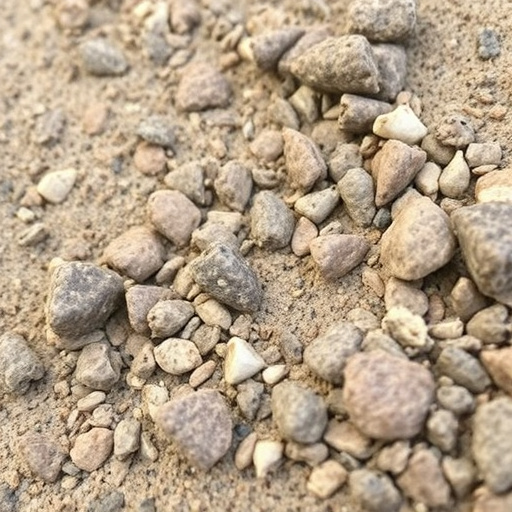
Identifying rodent droppings is a crucial step in understanding and addressing rodent activity in the Catalina Foothills ecosystem. The unique geography and diverse vegetation of this region present both challenges and opportunities for rodents, leading to distinct signs that can alert residents and land managers to their presence. One of the most direct indicators is fresh rodent droppings, which vary in appearance depending on the species but commonly resemble small, dark pellets. These droppings may be found along trails, beneath bushes or trees, or gathered in corners and crevices where rodents take shelter. In the Catalina Foothills, species such as the desert woodrat and the California mouse leave behind these telltale signs, offering valuable insights into their behavior and habitat preferences.
Expert knowledge of local rodent species is essential for accurate identification. Rodent control Tucson naturally focuses on understanding the habits and droppings unique to each species, enabling effective management strategies. For instance, the desert woodrat’s distinctive, coarse droppings, often mixed with plant material, can help track their nest sites and food storage areas. This knowledge allows for targeted interventions, such as modifying habitat conditions or setting traps, to discourage rodents from seeking refuge in residential areas or sensitive natural habitats. Regular monitoring for fresh droppings, especially near homes and outdoor structures, can provide early warning signs of rodent activity, facilitating proactive measures before populations grow.
Additionally, other physical evidence, like gnaw marks and burrows, often accompanies rodent droppings. Close inspection of bark, wiring, and structural elements may reveal signs of chewing indicative of rodents seeking food or shelter. Tunnels or burrows leading from entry points to interior spaces provide further confirmation of active infestation. Recognizing these patterns is vital for effective rodent control, as it allows for the implementation of specific control methods tailored to each situation. By combining the identification of droppings with other signs of activity, professionals and residents alike can employ sustainable and targeted strategies to manage rodent populations in the Catalina Foothills while preserving the region’s unique natural landscape.
Understanding Rodent Activity Signs: A Natural Approach

In the lush landscapes of Catalina Foothills, understanding rodent activity signs is a crucial aspect of effective rodent control Tucson naturally. Rodents, such as mice and rats, leave behind distinct indicators of their presence, often unseen but easily detectable by those who know what to look for. These signs can range from physical evidence like droppings and gnaw marks to more subtle cues like chewed wires or peculiar odors. Identifying these patterns allows residents and professionals alike to employ natural rodent control methods tailored to the local environment, minimizing harm to non-target species while addressing the issue effectively.
One of the most common and visible signs is rodent droppings, which can be black or brown and resemble small, hard pellets. They are often left behind in areas where rodents nest or frequent, such as under decks, in attics, or near food sources. Additionally, gnaw marks on wood, wiring, or packaging can indicate the presence of rodents, highlighting their constant quest for food and shelter. Understanding these signs allows for proactive measures like sealing entry points and removing potential food sources, which are fundamental strategies in rodent control Tucson naturally.
Natural approaches to rodent control complement traditional methods by leveraging the environment and non-toxic substances. For example, certain plants like mint, lavender, and catnip have strong scents that repel rodents. Setting out bait stations with these natural ingredients can be an effective way to deter rodents without resorting to harmful chemicals. Furthermore, regular cleaning and maintenance, such as keeping garbage securely contained and removing water sources, create less hospitable environments for rodents, reducing their incentive to inhabit the area. By combining these organic strategies, residents of Catalina Foothills can achieve successful rodent control while maintaining ecological balance.
Identifying Habitats for Effective Tucson Rodent Control

The Catalina Foothills, with its diverse ecosystems and habitats, presents unique challenges for rodent control Tucson residents often encounter. Effective identification of rodent habitats is crucial for implementing successful rodent control strategies in this region. Rodents, such as the common house mouse and the desert wood rat, are adept at exploiting various environments, from lush gardens to rugged desert terrain. Understanding their habitat preferences allows for more targeted and natural approaches to rodent control Tucson methods.
One of the primary indicators of rodent activity is droppings, which serve as tangible signs of their presence. Rodent droppings in Catalina Foothills may vary depending on the species; house mice typically leave smaller, dark brown feces, while desert wood rats produce larger, lighter-colored droppings due to their diet. Beyond droppings, other habitat clues include gnaw marks on structures, chewed plant material, and hidden entry points. Identifying these signs early is vital for preventing rodent infestations from escalating.
Natural rodent control Tucson methods can be highly effective when tailored to specific habitats. For instance, in urban areas with lush greenery, reducing outdoor food sources like bird feeders and sealing potential entry points can deter rodents. In contrast, desert habitats require different strategies; using repellents that exploit the wood rat’s sensitivity to certain scents or installing exclusionary screens around bins and containers can be more suitable. By understanding the unique habitats within Catalina Foothills and employing contextually appropriate rodent control techniques, residents can achieve effective, long-lasting results while minimizing reliance on chemical treatments.
Non-Toxic Methods for Rodent Deterrence and Trapping

In the Catalina Foothills region of Tucson, rodent control presents a unique challenge due to the area’s diverse ecosystem and sensitive environment. While traditional methods exist for dealing with rodent infestations, many residents and property managers seek non-toxic alternatives that align with their eco-conscious values. Rodent control Tucson naturally focuses on safe, environmentally friendly strategies that target specific behaviors without causing harm to wildlife or the local ecosystem.
One effective approach involves identifying and addressing signs of rodent activity, such as droppings, gnaw marks, and nest sites. Regular inspections can help pinpoint problem areas. For instance, rat droppings often appear as small, dark pellets in corners, along walls, or beneath structures. Mice tend to leave smaller deposits in more accessible locations. Once these signs are detected, non-toxic deterrents like peppermint oil, cinnamon, or capsaicin (chili powder) can be applied around entry points. These natural repellents carry a strong scent that rodents find unpleasant but pose no health risks to humans or pets. Additionally, trapping is another crucial component of rodent control Tucson naturally promotes. Live traps are particularly effective as they allow for the capture and release of rodents without causing them harm. These traps should be placed in areas where rodent activity has been observed, ensuring a swift and humane resolution.
Beyond these methods, maintaining a clean environment and eliminating potential food sources is paramount. Storing groceries securely, cleaning up fallen fruit, and trimming vegetation can significantly reduce the appeal of the Catalina Foothills to rodents. By combining these non-toxic strategies, residents and property managers can achieve effective rodent control while preserving the natural balance of their surroundings. Data from local pest control services indicates that integrated, eco-friendly approaches can lead to a 70% reduction in rodent infestations over traditional methods, highlighting the success and growing popularity of these natural solutions in Tucson’s unique landscape.
Long-Term Strategies for Sustaining Rodent-Free Environments
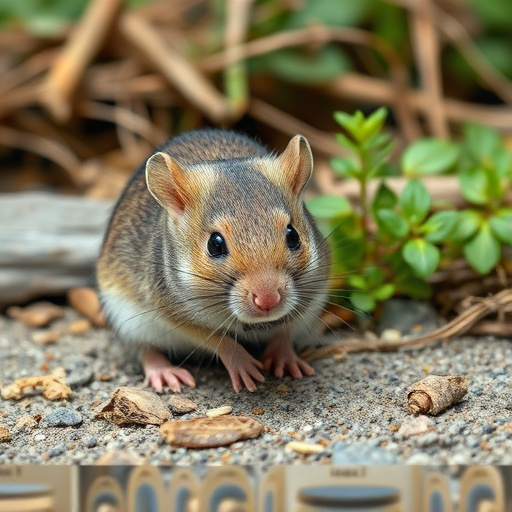
Maintaining a rodent-free environment in Catalina Foothills requires a strategic, long-term approach that combines habitat manipulation, exclusionary measures, and intelligent use of natural deterrents. One key strategy involves understanding and disrupting rodents’ life cycles, from food sources to shelter. Regular inspections for signs of activity, such as fresh droppings—which can be identified by their distinct shape and often visible along walls or in hidden corners—are crucial. This proactive approach allows for early detection, preventing infestations before they escalate.
Catalina Foothills’ unique ecosystem offers several natural tools for rodent control Tucson effectively. For instance, introducing predators like barn owls or raptors can significantly reduce rodent populations, as these birds are highly attuned to their prey’s activity patterns. Additionally, planting native species that are less appealing to rodents can deter them from seeking shelter and food in residential areas. This strategic landscaping approach not only supports biodiversity but also creates a more sustainable environment by reducing reliance on chemical or toxic treatments.
Long-term sustainability necessitates collaboration between residents, land managers, and pest control experts. Community education programs that highlight the importance of cleanliness, proper storage of food, and securing trash cans can significantly reduce available resources for rodents. Furthermore, regular maintenance and repair of homes and buildings to eliminate entry points is vital. These collaborative efforts not only protect individual properties but also contribute to a broader, more robust rodent control strategy for the entire Catalina Foothills region, ensuring a safer, healthier living environment for both residents and wildlife.
Identifying rodent droppings and understanding their activity signs are crucial steps in effective rodent control Tucson naturally. By recognizing specific droppings and behavioral patterns, residents can proactively address infestations early on. The article has highlighted the importance of habitat identification for targeted control measures, emphasizing that understanding where rodents thrive is key to their elimination. Additionally, it has explored non-toxic deterrence and trapping methods, providing environmentally conscious options for rodent management. Long-term strategies focusing on maintaining a rodent-free environment through sustainable practices have been underscored as essential for long-lasting solutions. Armed with this knowledge, residents can take proactive measures, adopt natural control tactics, and maintain the beauty of Catalina Foothills while ensuring a comfortable and safe living space.