
Rodent control Tucson naturally requires a multi-pronged approach combining early identification, natural prevention (landscaping, barriers, deterrents), community inspections, responsible trapping, habitat modification, and integrated pest management (IPM). Focusing on these strategies minimizes property damage from rodents like mice and squirrels while preserving the local ecosystem. Key tactics include sealing entry points, using eco-friendly repellents, seasonal adjustments, and tailored IPM solutions to reduce toxic chemical use by up to 80%.
In the picturesque Catalina Foothills region of Tucson, rodent damage presents a significant challenge for homeowners and businesses alike. The vast networks of tunnels these pests create can cause structural integrity issues over time, not to mention the potential health hazards and property devaluation they bring. However, effective rodent control Tucson naturally offers a sustainable and human-friendly solution. This article delves into comprehensive strategies for both repairing damage and preventing future invasions, empowering readers with the knowledge to protect their investments while preserving the area’s natural balance.
- Identifying Rodent Signs & Natural Tucson Prevention Strategies
- Effective Repair & Long-Term Rodent Control Solutions in Catalina Foothills
Identifying Rodent Signs & Natural Tucson Prevention Strategies
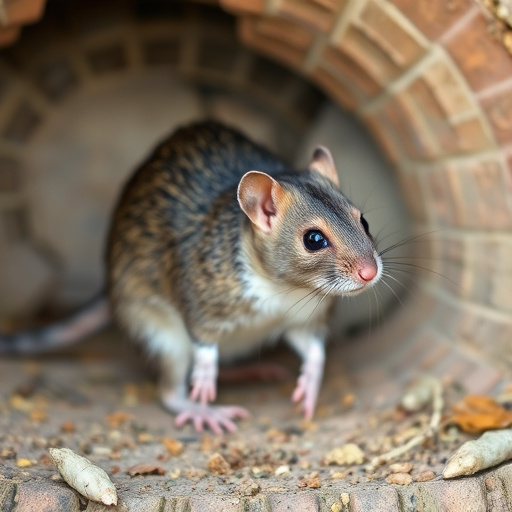
In the Catalina Foothills, identifying rodent signs early is crucial for effective rodent control Tucson naturally. Residents often encounter evidence of rodents through unusual noises, such as scurrying sounds or gnawing, especially in walls or attics. Droppings—small, dark pellets—are another clear indicator, as are chewed wires or insulation. Even subtle scents or visual sightings can signal a presence that requires action. Prompt identification allows for targeted and natural prevention strategies, leveraging Tucson’s native environment to deter these pests without harmful chemicals.
Natural prevention involves a multi-faceted approach. Landscaping plays a significant role; keeping vegetation trimmed away from structures creates less habitat and reduces access points. Using physical barriers like metal mesh or wire screening on vents and pipes can prevent entry. Additionally, maintaining clean yards and securing trash cans with tight-fitting lids eliminates food sources that attract rodents. Native plants, known for their resistance to local pests, can deter rodents by offering fewer appealing resources. Examples include saguaro cacti, mesquite trees, and creosote bush, which thrive in the Foothills’ climate and provide less inviting environments for these intruders.
Community efforts also contribute to successful rodent control Tucson naturally. Collaborating with neighbors on regular inspections and implementing integrated pest management techniques can disrupt rodent movements and reduce their population. Traps, when used responsibly and in conjunction with other methods, can be effective while minimizing harm to non-target species. It’s important to remember that a holistic approach combining habitat modification, physical barriers, cleanliness, and community involvement offers the best chance for long-term success in managing and preventing rodent damage in Catalina Foothills homes and properties.
Effective Repair & Long-Term Rodent Control Solutions in Catalina Foothills

The Catalina Foothills region, with its diverse ecosystems and lush landscapes, presents unique challenges when it comes to rodent control Tucson naturally. Effective repair and long-term rodent control require a deep understanding of local ecologies and the behaviors of common rodents like mice and squirrels. These nuisances can cause substantial damage to properties, from chewed wiring to structural integrity issues. A comprehensive approach is essential to mitigate these problems.
One proven strategy involves natural deterrents and habitat modification. Rodents are attracted to food sources and safe shelters. Implementing measures like sealing entry points, storing firewood away from structures, and maintaining a clean yard can significantly discourage their presence. For instance, using peppermint oil or specific plant varieties known to repel rodents can be highly effective without resorting to harmful chemicals. Additionally, replacing bird feeders with stations that only accommodate birds can reduce competition for food, lessening the allure for rodents.
Long-term success in rodent control Tucson naturally relies on proactive maintenance and monitoring. Regular inspections of homes and properties are crucial to identifying potential entry points and early signs of infestation. Seasonal adjustments in prevention strategies are also vital as rodent behavior shifts with changing weather patterns. Professional services that specialize in integrated pest management (IPM) can offer tailored advice and implement eco-friendly solutions, ensuring a safe and sustainable environment for both residents and local wildlife. Data from local pest control companies shows that IPM approaches can reduce the need for toxic chemicals by up to 80%, contributing to a healthier Catalina Foothills ecosystem.
By understanding the signs of rodent activity and implementing natural Tucson rodent control methods, residents of the Catalina Foothills can effectively prevent and manage these persistent pests. Key insights include the importance of sealing entry points, maintaining proper sanitation, and using strategic repellents. For long-term rodent control Tucson naturally, consider integrated pest management approaches tailored to local conditions. These comprehensive strategies not only mitigate current infestations but also create a robust defense against future invasions, ensuring a safer, more secure environment for residents and their properties.