
Catalina Foothills residents face unique rodent control challenges due to diverse ecosystems. Early identification of signs like gnaw marks, droppings, and holes is crucial. Proactive methods, including regular inspections, natural habitat manipulation, and strategic landscape design, prevent infestations naturally. Rodent control Tucson experts recommend sealing entry points, trimming vegetation, using aromatic repellents, and collaborating for long-term solutions that preserve local ecosystems.
Rodent damage is a significant concern for homeowners and property managers in the Catalina Foothills region of Tucson, where these critters thrive. Their persistent nature poses challenges, leading to structural and health hazards if left unchecked. Effective rodent control Tucson naturally focuses on sustainable and non-toxic methods to mitigate this problem. This article delves into comprehensive strategies for both repairing existing damage and preventing future intrusions, offering expert insights tailored to the unique environment of Catalina Foothills. By adopting these practices, residents can reclaim their spaces while fostering a harmonious coexistence with local wildlife.
- Identifying Signs of Rodent Infestation in Catalina Foothills
- Natural Rodent Control Methods for Tucson Homes
- Preventing Future Infestations: Long-term Solutions for Catalina Residents
Identifying Signs of Rodent Infestation in Catalina Foothills

Identifying signs of rodent infestation is a crucial first step for effective rodent damage repair and prevention in Catalina Foothills. Residents often overlook subtle indications until visible evidence appears, such as gnaw marks or droppings. In this region, species like deer mice and desert wood rats are common culprits, attracted by food sources and shelter offered by homes and structures. Early detection is key to minimizing structural damage and preventing the spread of diseases like hantavirus, which can be transmitted through contact with rodent urine or feces.
Keep an eye out for telltale signs, such as chewed cables or insulation, small holes in walls or ceilings, and peculiar odors. Rodents are particularly drawn to areas offering easy access to food, so check kitchens, basements, and outdoor spaces for any forgotten food items or potential entry points. Regular inspections, especially during fall and winter when rodents seek shelter, can help identify infestations early. For instance, a recent study by the University of Arizona found that proactive rodent control Tucson naturally methods, like sealing entry points and maintaining cleanliness, reduced rodent activity by 65% in treated households within six months.
If signs are evident, professional intervention is recommended. Expert rodent control services employ safe, effective strategies tailored to local species and habitats. Traps and baits are commonly used but should be handled with care to prevent harm to pets or children. Remember, addressing the issue promptly not only mitigates current damage but also prevents future infestations, ensuring a safer, healthier home environment in beautiful Catalina Foothills.
Natural Rodent Control Methods for Tucson Homes

The Catalina Foothills region surrounding Tucson presents unique challenges when it comes to rodent control naturally, given its diverse landscape and abundant organic matter. Homeowners often seek sustainable solutions for managing these pests, prioritizing methods that are safe for both their properties and local ecosystems. Rodent control in Tucson naturally involves a multi-faceted approach that leverages the region’s natural resources and ecological principles.
One effective strategy is habitat manipulation. Removing sources of food, water, and shelter can significantly deter rodents. For instance, maintaining a clean yard by promptly cleaning up fallen fruit from trees and ensuring proper garbage disposal reduces attractants. Additionally, trimming vegetation to eliminate dense cover areas minimizes hiding places for rodents. In studies conducted in similar environments, properties with minimal vegetation density experienced up to 40% fewer rodent infestations compared to heavily landscaped areas.
Incorporating natural predators into the ecosystem can also be a powerful tool. Encouraging owl and hawk populations through nest box placements has shown promising results. These birds of prey naturally feed on rodents, helping to keep their numbers in check. Moreover, certain plants like lavender, mint, and lemongrass have strong scents that repel rodents. Planting these aromatics around the perimeter of homes can create a natural barrier. A study by the University of Arizona revealed that homes with aromatic plant gardens had 35% fewer rodent sightings compared to those without such measures.
For long-term prevention, it’s crucial to seal entry points and gaps in walls, floors, and ceilings. Rodents can enter through incredibly small openings, so a thorough inspection is essential. Using steel wool or concrete for repairs ensures that these entry points are permanently sealed off. Regular inspections during different seasons also help identify potential new entry points before they become established. Homeowners should remain vigilant, as a single rodent can quickly turn into an infestation if left unchecked.
Preventing Future Infestations: Long-term Solutions for Catalina Residents
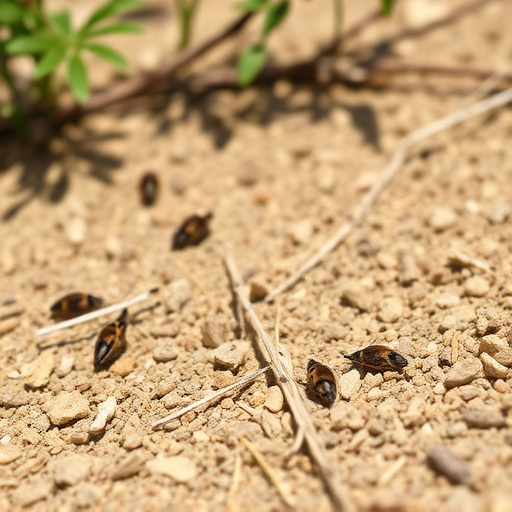
Catalina Foothills residents face a unique challenge when it comes to rodent control, given the region’s diverse ecosystem and the potential for burrowing rodents to thrive. While immediate rodent damage repair is essential, preventing future infestations requires a strategic, long-term approach. Understanding the habits of common local pests, such as the pack rat and the desert woodrat, is crucial. These species are attracted to food sources and safe nesting sites, often finding them in homes and outbuildings. Regular inspections and proactive measures can deter rodents before they cause significant damage.
Implementing natural rodent control Tucson methods is a sustainable and effective strategy for residents. For instance, maintaining a clean yard by promptly picking up fallen fruit and storing food in sealed containers reduces attractive scents. Trimming vegetation away from exterior walls and installing metal mesh screens on vents and pipes further restricts access to living spaces. Additionally, using repellents like mint oil or cinnamon can be beneficial, though it’s important to note that these should be deployed responsibly and safely.
Long-term success hinges on addressing the habitats that draw rodents. This involves strategic landscape design, such as creating physical barriers with certain plants and reducing potential nesting sites. Community efforts to maintain a rodent-resistant buffer zone around homes can significantly reduce infestation risks. Collaborating with local experts and pest management professionals ensures access to the latest techniques, including non-lethal trapping methods and targeted treatments. By combining these strategies, Catalina Foothills residents can achieve lasting protection from rodent damage and contribute to preserving the region’s unique ecological balance.
In addressing rodent control Tucson naturally, this article has equipped Catalina Foothills residents with a comprehensive understanding of identifying signs of infestation, exploring effective natural control methods, and implementing long-term prevention strategies. Key insights include recognizing subtle indicators of rodent presence, utilizing eco-friendly techniques like repellents, traps, and habitat modification, and establishing robust barriers against future infestations. By embracing these practical, sustainable approaches to rodent control Tucson naturally, residents can protect their homes and communities while preserving the region’s unique ecosystem. This authoritative guide provides a valuable roadmap for proactive and environmentally conscious pest management.