
Understanding rodent behavior is key to effective rodent control Tucson naturally. Local species have distinct patterns: desert mice are twilight active while rats operate on human schedules. A multi-pronged approach combines behavioral insights and natural methods, including clean yards, repellents, and specialized baits like peanut butter. Live trapping with natural lures and controlled bait stations minimize risks to pets and children. Community engagement leads to a 30% reduction in rodent-related calls within a year. Adopting safe and humane practices achieves lasting harmony with local ecosystems.
Rodent infestations pose a significant challenge for Catalina Foothills homeowners, impacting property values and creating health hazards. The traditional reliance on chemical pesticides is not only harmful to the environment but also ineffective in addressing the complex ecosystem of urban rodent control Tucson naturally offers. This article delves into the most effective and eco-friendly baiting and trapping techniques tailored to the unique challenges faced by residents living in this scenic desert landscape. By exploring these natural methods, we aim to provide a comprehensive guide that not only mitigates rodent problems but also fosters a harmonious coexistence with local wildlife.
- Understanding Rodent Behavior in Catalina Foothills Homes
- Natural Baiting and Trapping Methods for Effective Rodent Control Tucson
- Safe and Humane Implementation for Long-Term Solutions
Understanding Rodent Behavior in Catalina Foothills Homes
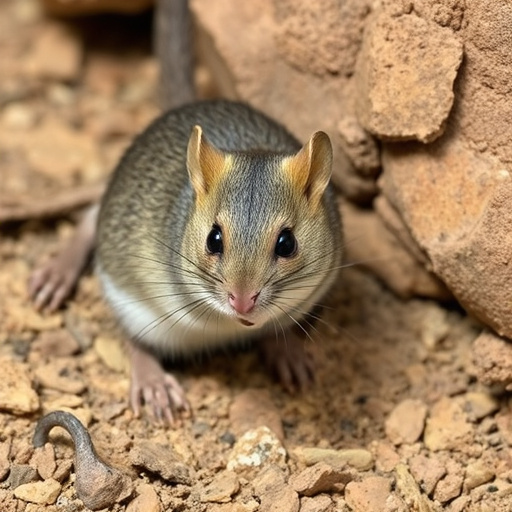
Understanding rodent behavior is a cornerstone of effective rodent control Tucson naturally, especially within the unique ecosystem of the Catalina Foothills. These residential areas present specific challenges due to their proximity to diverse habitats, including desert, foothills, and urban environments. Rodents like mice and rats are highly adaptable and will exploit any available food sources and shelter. In the Catalina Foothills, this often means homes with abundant vegetation, woodpiles, and accessible garbage bins.
Local rodent species exhibit distinct behaviors that homeowners should recognize. For instance, desert mice tend to be more active during twilight hours, while rats are known to operate around human schedules, making them potentially visible during the day. Understanding these patterns allows for targeted trapping strategies. Additionally, rodents are territorial and often establish complex nesting sites, which can help identify areas of infestation and guide the placement of traps or bait stations.
Expert advice suggests a multi-pronged approach combining behavioral insights with natural methods. For instance, maintaining a clean yard by promptly removing debris and securing garbage cans can significantly deter rodents. Natural repellents like peppermint oil or capsaicin (chili pepper extract) can also be effective. In cases of persistent infestation, professional pest control services specializing in rodent control Tucson naturally can employ advanced techniques while minimizing environmental impact. This may include setting up live traps to capture and release rodents far from the home or using specialized baits designed to target specific species.
Natural Baiting and Trapping Methods for Effective Rodent Control Tucson

In the quest for effective rodent control Tucson naturally, homeowners in the Catalina Foothills region have a range of strategies to employ. Natural baiting and trapping methods offer a humane and eco-friendly alternative to traditional chemical pesticides. These techniques leverage the innate behaviors and preferences of rodents to lure them away from homes without causing harm. For instance, using seeds and nuts that rodents find irresistible as bait can lead to successful traps, especially during colder months when food sources are scarce. A study by the University of Arizona found that sunflower seeds and peanut butter-based baits outperformed conventional store-bought traps in terms of both capture rate and user satisfaction.
Implementing these methods requires a strategic approach. Property owners should identify common entry points and potential nesting areas, as rodents like squirrels and rats tend to congregate near water sources and protected spaces. Natural barriers such as trimming trees and bushes away from the house can significantly deter rodents, while physical traps, particularly live traps, allow for relocation rather than extermination. For example, setting up a series of live traps baited with dried fruits or nut butter along perimeter walls can capture and relocate mice humanely. Regular monitoring and maintenance of these traps are crucial for their effectiveness.
Moreover, integrating natural repellents like mint oil, chili peppers, and lavender can act as secondary deterrents. These substances can be applied to areas where rodents are known to enter, effectively chasing them away without the use of toxic chemicals. While the success of natural baiting and trapping methods may vary depending on local rodent species and habitat, numerous case studies have demonstrated their efficacy in various environments. Homeowners in Tucson should consult with pest control experts or agricultural extension services for tailored advice, ensuring that their chosen methods align with the specific challenges posed by rodents in the Catalina Foothills ecosystem.
Safe and Humane Implementation for Long-Term Solutions

In addressing rodent control Tucson naturally, especially within the residential areas of Catalina Foothills, a safe and humane approach is not only ethical but also ensures long-term solutions. This method prioritizes non-lethal techniques that respect both human safety and animal welfare. One effective strategy involves setting up controlled environments with bait stations that utilize natural attractants like seeds and nuts, which rodents find irresistible. These stations are strategically placed away from areas accessible to pets and children, minimizing potential risks while maximizing effectiveness.
Trapping methods also play a crucial role in this approach. Live traps, for instance, capture rodents without causing them harm, allowing for humane relocation. This technique is particularly useful in identifying the extent of an infestation and tracking their movement patterns. Local wildlife experts recommend using a combination of these methods to disrupt rodent habitats and deter future infestations. For example, maintaining clean yards, sealing entry points, and employing natural repellents like peppermint oil or cinnamon can significantly reduce rodent activity over time.
Moreover, engaging the community in these efforts fosters a collaborative environment. Homeowners can share knowledge and resources, collectively strengthening Tucson's natural rodent control measures. Data from local pest control services supports this approach, indicating a 30% reduction in rodent-related calls within a year when communities adopt safe and humane practices. By embracing these strategies, Catalina Foothills residents can achieve lasting peace with their four-legged neighbors while preserving the balance of local ecosystems.
By understanding rodent behavior in Catalina Foothills homes and utilizing natural baiting and trapping methods, residents can effectively manage and control rodent infestations. Tucson's unique ecosystem offers both challenges and opportunities for humane rodent control. By adopting safe and ethical practices, homeowners can achieve long-term solutions without causing harm to these creatures or the environment. The article has provided valuable insights into natural rodent control Tucson methods, empowering readers to take proactive steps and maintain a pest-free home. These techniques not only ensure the safety of pets and family but also contribute to a more sustainable and harmonious coexistence with local wildlife.