
Identifying rodents in Catalina Foothills homes involves understanding species-specific behaviors like nocturnal/diurnal activity, feeding habits, dropping sizes, nesting preferences, and auditory/olfactory cues. Key differences include mouse vs. rat sizes, tail lengths, fur textures, and habitat choices. Natural rodent control Tucson methods focus on non-toxic deterrents, physical barriers, clean maintenance, seasonal inspections, and specific traps. Experts in rodent control Tucson naturally offer specialized knowledge for uncommon species, promoting safe removal and environmentally friendly prevention techniques unique to Tucson's ecosystem.
Rodent infestations are a prevalent concern for homeowners in the Catalina Foothills, posing significant risks to property and health. Effective rodent control Tucson naturally requires accurate identification of the specific species infesting your home. This is crucial as different rodents carry unique diseases and have distinct behaviors, necessitating tailored control methods. In this article, we offer expert tips and insights to help you distinguish between common rodent species in your home, empowering you with the knowledge to implement effective and safe rodent control measures for a pest-free environment.
- Recognize Common Rodent Behavior in Homes
- Understanding Catalina Foothills Ecosystem for Rodents
- Visual Identification Tips: Size, Fur, Tail Characteristics
- Sounds and Scents: Auditory & Olfactory Cues for Detection
- Natural Deterrents and Non-Toxic Control Methods
- Professional Help: When to Consult Experts in Tucson
Recognize Common Rodent Behavior in Homes

Recognizing common rodent behavior is a crucial step in identifying specific species within your Catalina Foothills home. Rodents, such as mice and rats, exhibit distinct patterns of activity, feeding habits, and nesting preferences that can provide valuable clues. For instance, mice are often active during the night, preferring dark, secluded spaces. They tend to leave smaller footprint trails and may be more elusive, whereas rats are more diurnal, visible during the day, and likely to travel in more visible paths. Understanding these behavioral differences can significantly aid in species identification.
Another critical aspect to consider is their feeding habits. Different rodent species have varying dietary preferences. Mice, for instance, are generalists, feeding on a wide range of foods, including grains, nuts, and even sweets. Rats, on the other hand, are also omnivores but tend to favor high-protein foods like meat, grains, and even garbage. Examining what they leave behind—droppings, food residue, or tracks—can provide a clear indication of the species present. For example, mouse droppings are smaller and uniform in shape, while rat droppings are larger and often have a granular texture.
In terms of habitat and nesting preferences, rodents seek out environments that offer protection and access to food. Mice commonly nest in walls, attics, and floor spaces, often building intricate tunnels and using materials like paper and insulation. Rats, in contrast, are more likely to inhabit lower areas, such as crawl spaces, and are known to chew through wood and metal to access new areas. Identifying these behavioral patterns and signs of habitation can help homeowners and professionals employ effective rodent control Tucson naturally methods, ensuring a comprehensive and humane approach to managing these common pests.
Understanding Catalina Foothills Ecosystem for Rodents
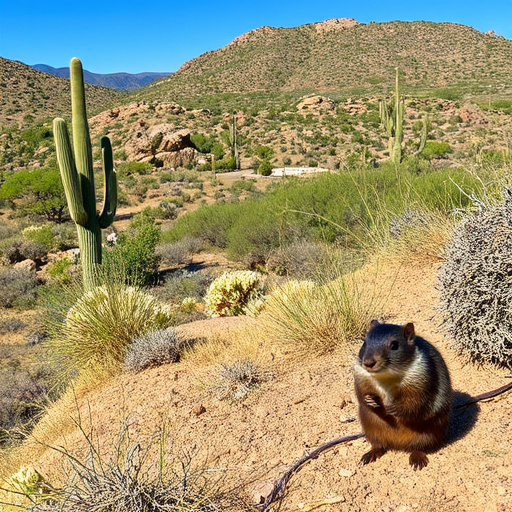
The Catalina Foothills ecosystem, with its diverse habitats ranging from desert scrub to mixed woodland, serves as a complex environment for rodent species. Understanding this unique landscape is crucial for effective rodent control Tucson naturally. The area's microclimates and varied vegetation provide shelter and food sources that attract various rodents, including the commonly known chipmunks, squirrels, and mice. These creatures have adapted to thrive in this specific ecosystem, making their presence both expected and challenging for residents.
Among the diverse rodent population, the desert woodrat (Neotoma melanostis) is a notable species endemic to the Foothills. This rat prefers densely packed, scrubby vegetation near rock outcrops and mesquite trees, creating ideal hiding spots. Their distinct behavior patterns, such as diurnal activity during the cooler parts of the day, aid in identifying their presence. Additionally, the desert kangaroo rat (Dipodomys merriami), known for its remarkable ability to store food in cheek pouches, inhabits the region's drier regions. Recognizing these species is vital for implementing targeted and natural rodent control methods tailored to Tucson's environment.
To effectively manage rodents, homeowners should familiarize themselves with the ecological role of each species and adopt non-toxic control measures. For instance, maintaining a buffer zone around homes with native vegetation can deter rodents by limiting their access to human food sources. Implementing physical barriers like metal mesh screens under decks or in crawl spaces prevents access while allowing for natural predator involvement. By understanding the Catalina Foothills ecosystem's dynamics, residents can contribute to sustainable rodent control Tucson naturally, promoting balance within the local environment.
Visual Identification Tips: Size, Fur, Tail Characteristics

In the Catalina Foothills region surrounding Tucson, accurate rodent identification is a key step in effective rodent control. Homeowners often encounter various rodent species, each requiring tailored strategies for management. Visual identification tips are invaluable in this process, allowing residents to discern between common invaders and foster more informed decisions regarding natural rodent control Tucson methods. Size plays a crucial role, as rodents range from tiny house mice (typically 5-10 cm long) to larger rats (reaching up to 20 cm). Fur texture and color also differ significantly; for instance, the brown rat has coarse, brown fur, while the smaller deer mouse boasts soft, grey-brown pelage.
Perhaps the most distinctive feature for many species is tail length and appearance. Rodents' tails serve as a unique identifier, with varying lengths and hairiness. House mice, for example, possess relatively short, smooth tails compared to the longer, scaly tails of their larger counterparts. The desert deer mouse stands out with its unusually long, fluffy tail, often longer than its body. These physical traits enable homeowners to make initial identifications, guiding them in implementing targeted control measures or seeking professional rodent control services. Understanding these characteristics is a powerful tool for anyone aiming to manage and prevent rodent infestations naturally in their Tucson homes.
Sounds and Scents: Auditory & Olfactory Cues for Detection
Rodent species identification in Catalina Foothills homes requires an understanding of auditory and olfactory cues. Sounds and scents play a crucial role in detecting these intruders. For instance, the high-pitched squeaks of a deer mouse or the constant gnawing noises of a pack rat can be distinct signs of their presence. In fact, research shows that consistent noise patterns outside of normal human activity hours may indicate an established rodent colony nearby. Additionally, strong, unpleasant odors like musty smells or pungent urine marks can signal rodent activity within structures.
Expert recommendations for effective detection include regularly listening for unusual sounds and scrutinizing areas where scents accumulate. As rodents tend to travel along walls and beneath floors, checking baseboards, corners, and crawl spaces is essential. Natural methods of rodent control Tucson residents often employ involve using scent repellents and noise deterrents, such as ultrasonic devices or cinnamon and mint essential oils. These non-toxic approaches can significantly reduce rodent presence without resorting to harmful chemicals.
Practical insights for homeowners include keeping homes tidy, securing garbage in sealed containers, and patching any visible gaps or holes. Regular inspections, especially during seasonal changes when rodents are more active, can help identify specific species through their unique sounds and scents. By employing these strategies, Catalina Foothills residents can effectively monitor and manage rodent infestations, ensuring a safer and healthier living environment through natural means.
Natural Deterrents and Non-Toxic Control Methods

Rodent control in Tucson homes, especially in the Catalina Foothills, requires a strategic approach that prioritizes safety and environmental harmony. While toxic chemicals have been traditionally used for rodent control Tucson naturally, many residents are now seeking non-toxic methods to protect their homes and families from these pests. The first step in effective rodent control is identification; knowing which species has invaded your property allows for tailored solutions. Common rodents in this region include the desert woodrat, pack rat, and various mouse species.
Natural deterrents play a crucial role in repelling rodents without causing harm. Residents can implement several practical measures to discourage these pests from entering their homes. For instance, sealing entry points with steel wool or concrete is highly effective for blocking small gaps where mice and rats might enter. Maintaining a clean yard by storing firewood off the ground and securing trash cans with tight-fitting lids reduces attractive habitats for rodents. Additionally, planting herbs like mint, lavender, and rosemary around the perimeter of the house can act as natural repellents due to their strong scents that many rodents find unpleasant.
Beyond deterrents, non-toxic control methods offer humane alternatives for managing rodent populations. Live traps are a popular choice; these devices capture rodents without harming them, allowing for relocation away from the property. It's essential to release captured animals at least 10 miles from the capture site to prevent them from simply returning or disrupting other local ecosystems. Snap traps, while toxic to rodents, can be used in specific situations with careful placement and monitoring to avoid non-target species. As part of a comprehensive approach to rodent control Tucson naturally, combining these methods with regular inspections and proactive measures can effectively manage and reduce rodent infestations.
Professional Help: When to Consult Experts in Tucson

In some cases, identifying rodent species may require professional assistance, especially when dealing with complex or rare cases. If you suspect an uncommon rodent invades your Catalina Foothills home, it's best to consult experts in rodent control Tucson naturally has available. Professional exterminators and wildlife specialists possess advanced knowledge of local species, including rare or less studied varieties. They can provide accurate identifications through detailed inspections and employ specialized techniques for safe, effective removal.
Tucson's diverse ecosystem supports a wide range of rodents, many of which are native and play essential roles in the area's natural balance. Experts can distinguish between these species, offering tailored advice for each case. For instance, they may differentiate between the common house mouse and the lesser-known desert woodrat, both of which have distinct behaviors and habitats. This level of expertise is crucial when considering the best approach to rodent control, ensuring methods are environmentally friendly and respectful of native wildlife.
Consulting professionals also provides an opportunity to learn about preventive measures unique to Tucson's environment. Experts can offer insights into sealing entry points, modifying habitat conditions, or employing natural deterrents specific to the region. By collaborating with these specialists, homeowners can gain a deeper understanding of local ecosystems and contribute to the preservation of Catalina Foothills' biodiversity while effectively managing rodent populations.
By recognizing common rodent behaviors, understanding the specific ecological dynamics of Catalina Foothills, and employing practical identification techniques like visual cues and scent detection, homeowners can effectively navigate rodent control in their Tucson environments naturally. Key insights include the importance of natural deterrents, non-toxic control methods, and knowing when to seek professional help from experts in the field. This comprehensive approach ensures not only the safe and humane management of rodents but also contributes to a healthier, more balanced ecosystem within the Catalina Foothills community.